By Cairo Studio, Studio 8 min read
For a while the conversation about generative tools was stuck between two bad answers: they will replace us, or they are a toy. Neither held up in our studio. The work did not disappear. It moved. The hours we used to spend making marks, we now spend making decisions.
The work moved, it did not vanish
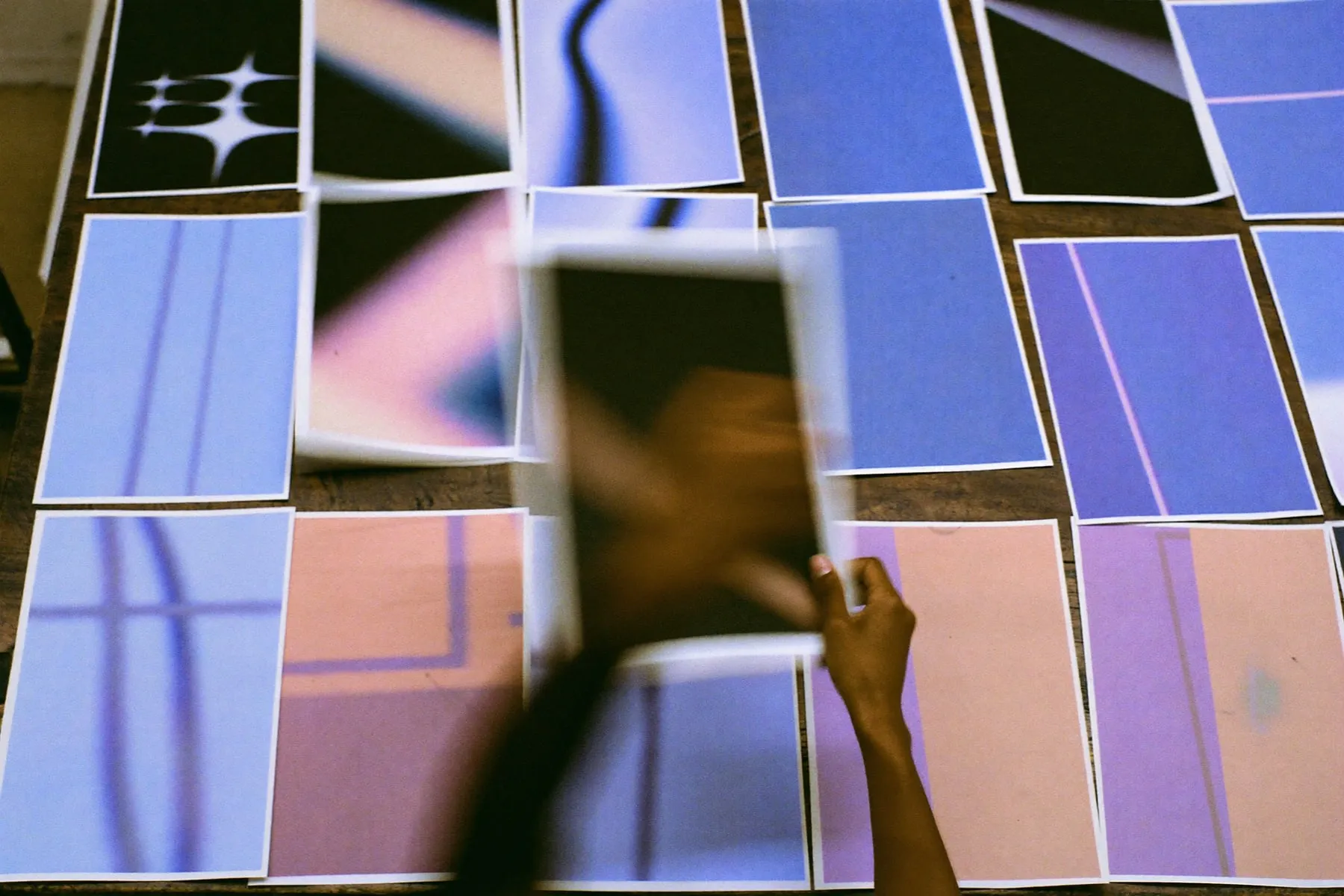
A first option used to be expensive: hours of drawing, rendering and comping. Now it is nearly free, and forty options before lunch is normal. Forty options is not progress. It is a new problem. The scarce thing is no longer the ability to produce. It is the judgment to choose, edit and reject.
This has happened before. Photography did not end painting. It freed it from recording and pushed it toward interpretation. Every tool that automates production raises the value of the decisions production used to hide.
Where we draw the line
- Logos and type are designed by people, and real files are placed on top of any generated art.
- A client’s products, team and work are never replaced with generated images.
- Every generated image is reviewed by a person before it is published.
Taste is the bottleneck
Generative tools reward people who already had taste and expose people who were relying on production skill alone. If your value was making the thing, that value is shrinking. If your value was knowing which thing is worth making, and why, it just grew.
So we train for judgment. We argue about why one option is better, not only which looks nicer, and we use the machine to move faster on ideas we are still responsible for.