By Shehab Waleed, Founder, Cairo Studio 3 min read
Two branding quotes can both say brand identity and deliver very different things. One is a logo in three colours. The other is a system a whole team can work from for years. This is the list we use to define a full identity at Cairo Studio, in the order we build it.
Strategy comes first
Positioning, values, audience, voice and tone, usually on a few pages. It sounds abstract, but it is what lets anyone judge whether a new post, package or page is on brand without asking the founder.
The visual system
Logo suite
Not one logo but a set: a primary logo, horizontal and stacked lockups, a wordmark, an icon for small sizes, and versions for dark and light backgrounds. For a bilingual brand, the Arabic and Latin versions are drawn as one family.
Colour and typography
A palette with primary, secondary and neutral colours, with values for screen and print. Typefaces for Arabic and Latin that pair well, with sizes and weights for headings and body text.
Graphic elements and photography direction
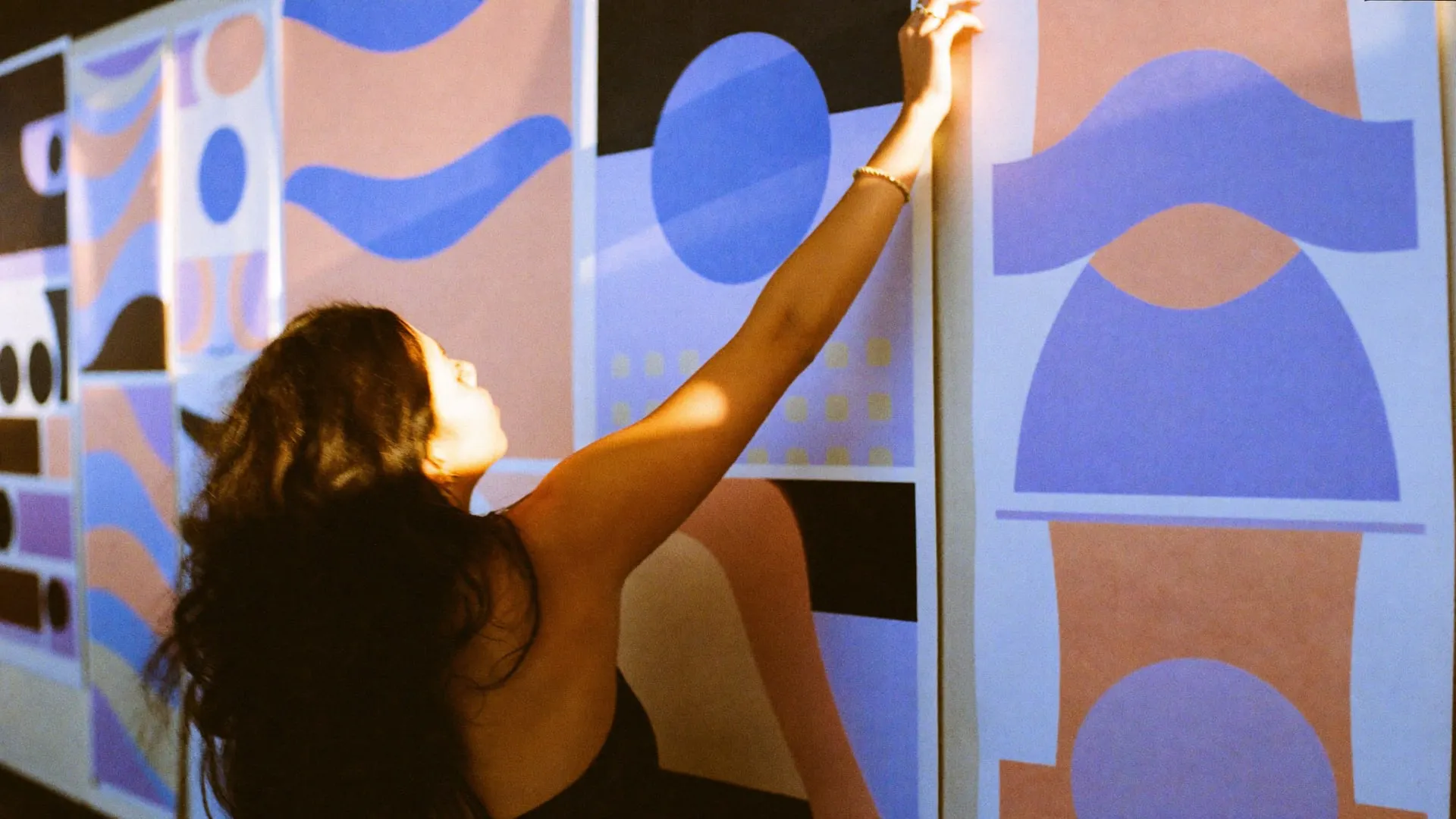
Patterns, shapes, icons and rules for images: what to photograph, how to light it and what to avoid. These are what make a brand recognisable even without the logo. The brand we designed for Makaani leans on a star mark and Arabic calligraphy that work on their own.
Where the brand shows up
Applications are the identity used on real things: business cards and stationery, a social media kit, packaging, signage, and templates for presentations and documents. For established companies these templates are often the most valuable part.
Guidelines and files
Guidelines explain how to use every part, with examples of right and wrong use, in the languages your team works in. Source files mean every master file is yours, in formats your designers and printers can open.
If you are pricing this list, see How Much Does Branding Cost in Egypt?.