E-commerce Website Development in Egypt

Online stores planned around how Egyptians pay and receive orders: Paymob, Fawry and cash on delivery, Bosta and Aramex, and an admin that keeps stock right.

See the work
Platforms
WooCommerce, Salla, Zid, headless or custom
Payments
Paymob, Fawry, cash on delivery and Stripe
Shipping
Bosta and Aramex integration
You get
Storefront, admin, integrations and training
In short

E-commerce website development in Egypt involves choosing the right platform or a headless build, then designing the catalog and checkout around local habits. That means Paymob and Fawry payments, cash on delivery, Bosta or Aramex integration, Arabic and English storefronts, and an admin that keeps stock and orders in sync across every channel.

  • Platform chosen from your operations: WooCommerce, Salla, Zid or headless

  • Paymob, Fawry and cash on delivery as equal checkout options

  • Orders pass to Bosta or Aramex with tracking returned

  • Stock updates on every sale across channels

  • You own the code, data and store accounts

Overview

E-commerce website development in Egypt starts with a platform decision, and it is easy to get wrong. A store has to take Paymob and Fawry payments, handle cash on delivery, hand orders to Bosta or Aramex, and keep stock right across every channel you sell on. The platform should follow from those needs, not the other way around.

01

This is for businesses deciding how to build, not just which theme to buy. Retailers moving off marketplaces, brands with large or complex catalogs, suppliers with trade pricing, and companies whose store needs to talk to a warehouse, an ERP or their own app. If your catalog is simple and you want to launch soon, a hosted platform is often the right call, and we will say so.
02

Each route has a fair use case:

  • WooCommerce development suits teams already on WordPress who want full access to their data and hosting.

  • Salla and Zid stores suit brands selling mainly in Saudi Arabia, with Arabic admin and local payments built in.

  • Headless commerce pairs a commerce backend with a custom front end in Next.js or SvelteKit, for full control over speed, content and experience.

  • A fully custom store, with its own API and admin, suits businesses whose ordering logic no platform models well.

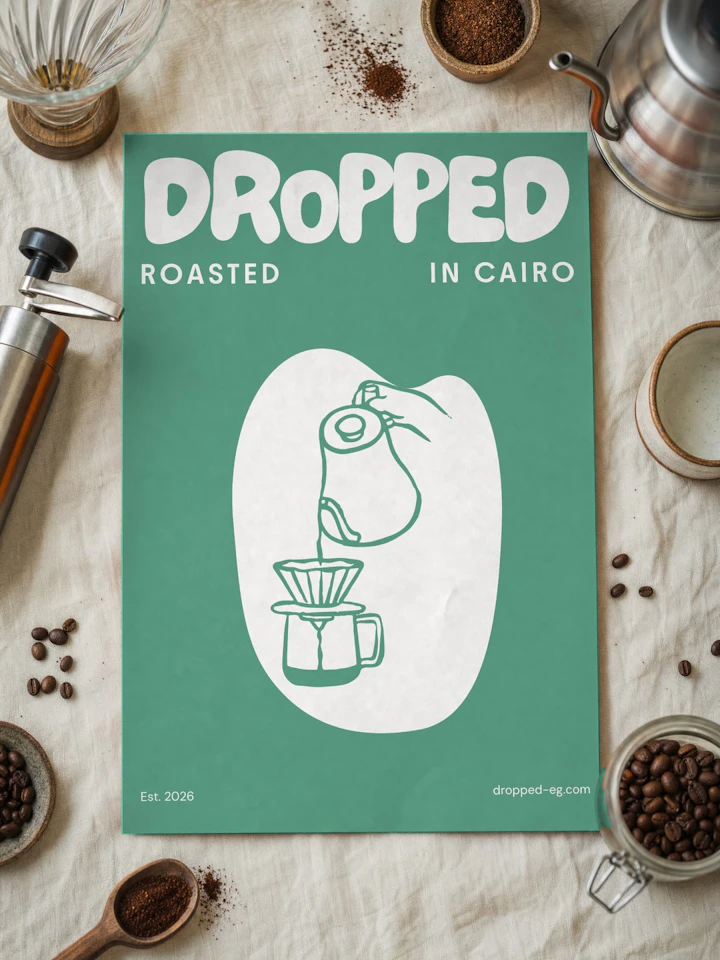
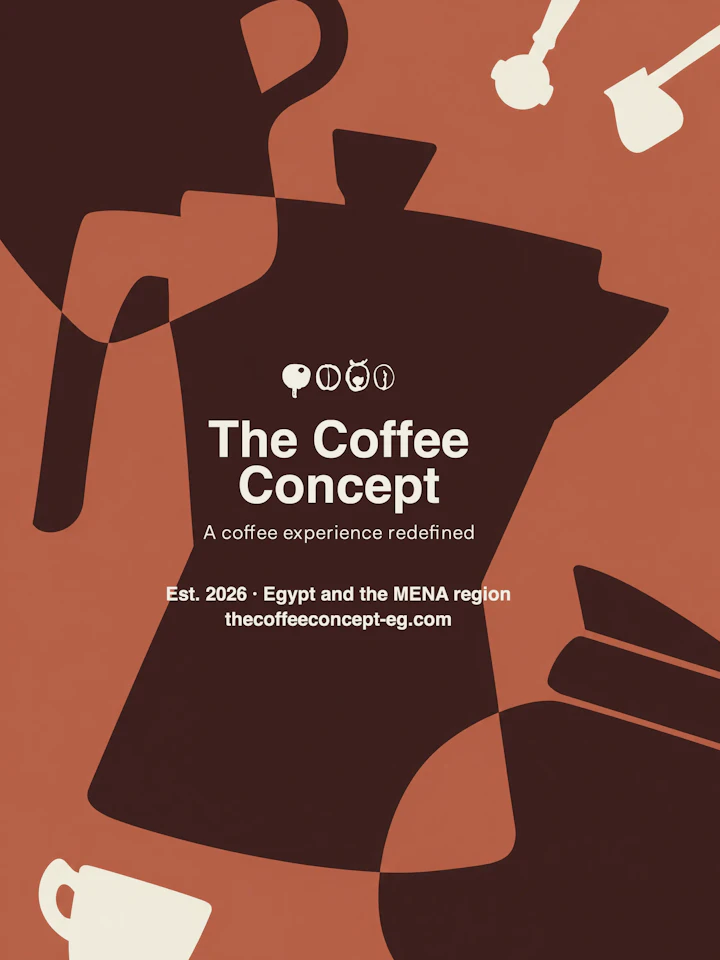
Dropped, a Cairo coffee roaster, runs on that last route: a storefront, a commerce API and an admin app we built with Next.js, Node.js and MongoDB. The Coffee Concept sells coffee equipment from seven partner brands to cafés and home baristas on a Next.js storefront.

03

Catalog and checkout UX carry most of the result. Filters should match how buyers think about your products, not how your supplier lists them. Product pages need real photos, clear variants and delivery information before the cart, not after it.

Checkout has to respect local habits. Many buyers still prefer cash on delivery, so it should be easy to choose, with clear fees and an order confirmation by phone or WhatsApp if you want one before shipping. Card and wallet payments through Paymob, and Fawry reference codes, sit beside it. Arabic has to read naturally right to left, including addresses and governorates.

04

We plan the commerce engineering before design: payment providers, courier integration, where inventory lives, and who on your team handles what in the admin. Then we design the catalog and checkout, build the storefront, and connect the back office so orders, stock and shipping status move without anyone copying data between screens.

For brands selling into Saudi Arabia and the Gulf, we plan currencies, tax display and shipping zones from the start. We also build for clients abroad, such as Maison Gacha, a Paris cultural house whose bilingual site includes exhibitions, a magazine, a shop and donations.

The parts of an online store we design and build, and the five steps from platform choice to running operations.

We map how you sell today: channels, catalog size, how orders are confirmed, packed and shipped, and where stock is counted. If a store exists, we review its checkout and where buyers drop off. This tells us what the new store has to handle before anyone talks about design or platforms.

  • WooCommerce development

  • Salla and Zid stores

  • Headless commerce with Next.js or SvelteKit

  • Custom commerce APIs

  • Platform migration

  • Category and filter structure

  • Product pages and variants

  • Short checkout flows

  • Arabic right-to-left storefronts

  • Paymob cards and wallets

  • Fawry reference payments

  • Cash on delivery flows

  • Bosta and Aramex integration

  • Stripe and PayPal for sales abroad

  • Custom admin dashboards

  • Inventory and stock sync

  • Order and return workflows

  • CRM and ERP connections

The platform should follow from how you sell, pay and deliver. These are the three routes we build, compared on what matters day to day.

Platform store, headless or fully custom?
Platform storeHeadless commerceFully custom
Best forClear catalogs and a quick launchContent-heavy brands, several front endsOrdering logic no platform models well
Time to launchFastestModerate to longLongest
Storefront controlWithin theme limitsFull controlFull control
AdminPlatform admin, ready to useCommerce backend adminCustom admin built for your team
Payments and couriersBuilt in or through pluginsIntegrated through APIsIntegrated directly into your system
Ongoing upkeepPlatform handles most updatesNeeds a technical partnerNeeds a technical partner

Pick a platform store when the catalog is simple and you want to launch soon. Headless fits when the storefront itself sets you apart. Fully custom fits ordering rules or integrations no platform handles.

Cost comes from the route and the integrations. A store on a hosted platform with a few payment methods costs much less than a headless or fully custom build with its own admin. Catalog size, Arabic and English versions, courier and inventory integrations, and data migration all add to it. We quote after an audit, with each part broken down.

It depends on your catalog, markets and team. WooCommerce suits teams already on WordPress. Salla and Zid fit brands focused on Saudi Arabia. A headless or custom build fits complex catalogs, unusual ordering rules or deep integrations. We recommend after understanding your operations, and we explain why the other options were ruled out.

When the storefront is a competitive part of the business: heavy content alongside products, speed and design a platform theme cannot deliver, or several front ends sharing one catalog. It costs more to build and needs a technical partner over time. For a straightforward catalog, a platform store is usually the better spend.

Yes. We integrate Paymob for cards and wallets, Fawry for reference code payments, and cash on delivery with clear fees and optional order confirmation. For sales abroad we add Stripe or PayPal. Every method is tested with real orders before launch.

Yes. Orders pass to the courier directly, labels and tracking numbers come back to the admin, and the buyer gets tracking updates. For cash on delivery, we plan how collected amounts are reconciled against orders so finance is not chasing spreadsheets.

You do. For custom and headless builds, the code, the database and the hosting accounts are in your name. On platforms like WooCommerce, Salla or Zid, the store account is yours from the start. We hand over documentation so another team could maintain it if you ever need that.

Walk us through how you sell, confirm and ship orders today. We will recommend a route and explain why the others were ruled out.

Keep exploring
  1. E-Commerce

    (Service)

    Platforms

    Payments & Shipping

    Store Experience

    Growth & Operations

    Shopify & Shopify Plus

    WooCommerce

    Salla & Zid

    Headless with Next.js or SvelteKit

    Fully custom storefronts

    E-Commerce — Cairo Studio
  2. Shopify Development

    (E-Commerce)

    Theme and Liquid

    Payments and shipping

    Arabic and markets

    Apps and migration

    Custom Shopify themes

    Theme customization in Liquid

    Editable sections and blocks

    Metafields and metaobjects

    Storefront performance tuning

  3. Bilingual Brand Identity

    (Branding & Identity)

    Bilingual typography

    Visual system

    Templates

    Guidelines and handover

    Arabic and Latin typeface pairing

    Type scales for both scripts

    Mixed language line rules

    Font licensing checks

  4. Mobile App Design

    (UI/UX & Product Design)

    Research and scope

    Flows and prototypes

    Interface design

    Systems and handoff

    User interviews

    Reviews of competing apps

    First version feature priorities

    Success criteria for each flow

  5. Next.js & SvelteKit Development

    (Web Development)

    Frameworks

    Headless CMS

    Bilingual and SEO

    Hosting and handover

    Next.js with React and TypeScript

    SvelteKit with TypeScript

    Server rendering and static generation

    API routes and form handling

    Tailwind CSS component systems

  6. Mobile App Development

    (Apps & Platforms)

    App build

    Backend and APIs

    Payments and engagement

    Launch and care

    React Native for iOS and Android

    TypeScript codebase

    Offline states and caching

    Camera, location and media

    Deep links

  7. Workflow Automation

    (AI & Automation)

    Lead and CRM automation

    Document data extraction

    Syncing and reporting

    Platforms

    Lead capture from forms, ads and WhatsApp

    Routing and assignment rules

    CRM updates and deduplication

    Follow up reminders and tasks

  8. Product Photography

    (Content & Production)

    Shot types

    Retouching

    Web delivery

    Campaign assets

    Packshots on white or a solid colour

    Flat lays

    Lifestyle product photos

    Detail and texture close-ups

    Scale and in-hand shots

  9. SEO Services

    (Digital Marketing)

    Technical SEO

    Keyword research

    Content and local

    Reporting

    Core Web Vitals and speed fixes

    Crawl and indexing audits

    Structured data (schema.org)

    Canonicals, redirects and sitemaps

    hreflang and RTL markup