Website Design in Egypt

We design marketing and company websites in Arabic and English, starting from what you need to say and ending with files your developers can build from.

See the work
Site types
Company and marketing websites
Languages
Arabic and English, RTL designed and checked
Built for
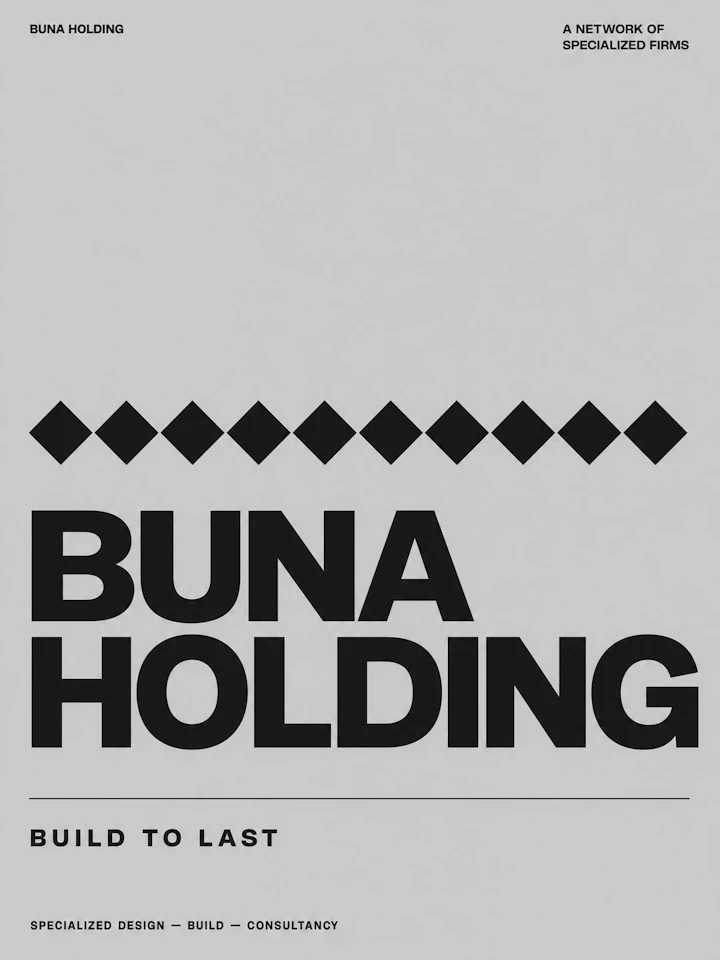
Contractors, law firms, developers, holding companies
You get
Sitemap, wireframes, visual system and handoff files
In short

Website design in Egypt, as we do it, covers the full path from content to build-ready files: a sitemap based on your real services, wireframes written with real copy, a type and grid system tested in Arabic and English, motion specs, responsive layouts and developer handoff with components and CMS fields defined.

  • Sitemap and page briefs built from your real services and audiences

  • Content-first wireframes with real copy in both languages

  • Arabic and English designed as equal locales, RTL checked per page

  • Motion specified with timing and easing, shown in a prototype

  • Developer-ready files with components, states and a CMS content model

Overview

Website design in Egypt usually starts with a company that has outgrown its first site. The services changed, the team grew, a Saudi or Gulf client asked for an Arabic version, or the old pages simply stopped explaining what the business does. We design marketing and company websites for that moment: the pages a buyer, investor or new hire reads before they ever call you.

01

Our website design work is for companies whose site has to carry weight in a sales conversation: contractors, law firms, holding companies, real estate developers and agencies. For these businesses the website is often the first serious document a prospect reads, and a vague page can cost a meeting.

It is not app design. A marketing site has a different job from a dashboard or a booking flow. It has to explain, persuade and route people to the right contact, so the design decisions are about structure, reading order and trust rather than task speed.
02

Most of the work happens before any visual design. We map what the site needs to say, who reads each page and what they should do next. Then we design the system that holds it:

  • A sitemap and page structure built from your real services, projects and audiences

  • Content-first wireframes, written with real or drafted copy instead of placeholder text

  • A type, grid and color system that works in Arabic and English

  • Motion that guides reading, designed with timing and easing rather than added at the end

  • Layouts for phone, tablet and desktop, each designed rather than squeezed

  • Developer-ready files with components, states and CMS fields defined

03

For many of our clients in Egypt, Saudi Arabia and the Gulf, Arabic is not a translation to add later. It is an equal locale, and sometimes the main one. Bilingual website design means the layout mirrors correctly for right-to-left reading, Arabic type gets its own sizes and line heights, and headlines are written to fit both languages instead of breaking in one.

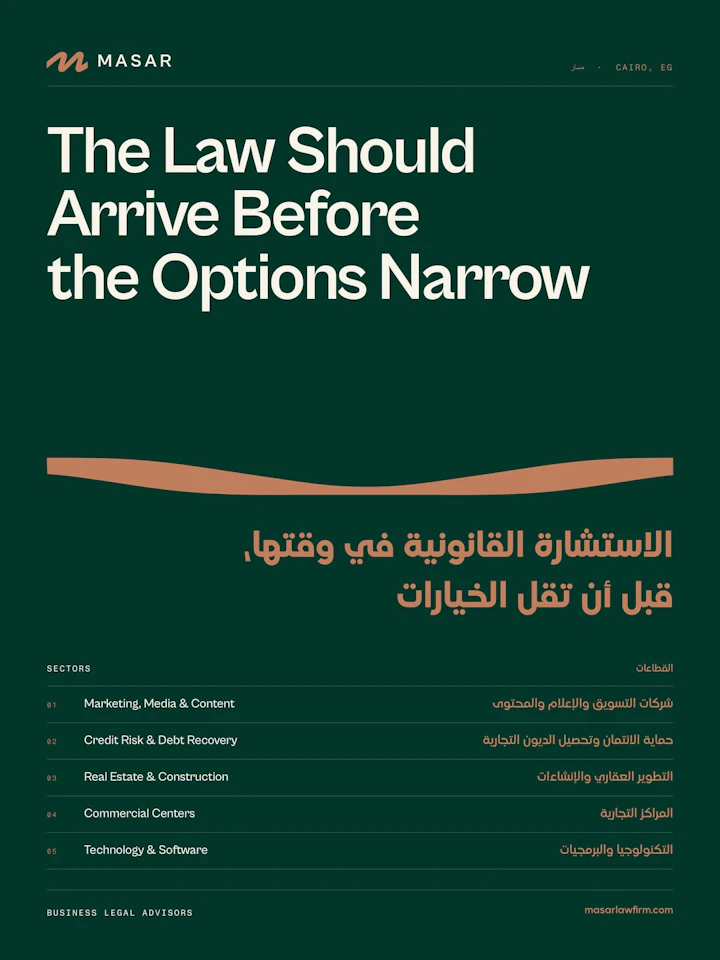
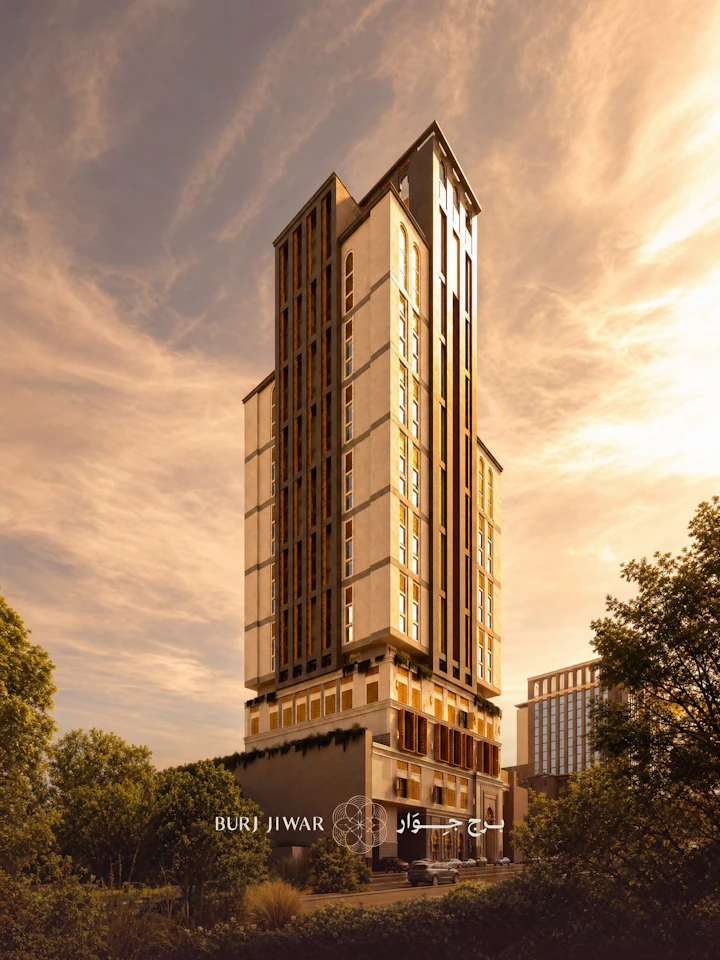
We designed the MASAR site with Arabic and English as equal locales, and the Burj Jiwar site Arabic-first for a residential tower in Mecca. Both started from the Arabic reading experience, not from a flipped English layout.

04

We are a design and engineering studio, so the people designing your site understand how it will be built. Layouts are designed against a real component set, motion is specified so it can be built in GSAP, and content fields are planned for a headless CMS like Prismic so your team can edit pages without calling us.

A good result is easy to judge. A buyer understands what you do within seconds, the Arabic reads as naturally as the English, your team can publish a new project without breaking a layout, and the launched site matches the design because the design was made with the build in mind.

From sitemap to developer handoff, this is what we design and the order we design it in.

We start with what the site has to say. We review your current site, sales material and the questions prospects ask, then list the audiences reading it: buyers, partners, investors and future hires. The output is a sitemap and a short page-by-page brief that says what each page is for and where it should send people.

  • Sitemap and page hierarchy

  • Content audit for redesigns

  • Messaging and page copy direction

  • Wireframes with real content

  • Type and grid systems

  • Arabic and English typography

  • Responsive layouts

  • Image and art direction

  • Right-to-left mirrored layouts

  • Arabic-first page design

  • Headlines written for both languages

  • Language switching patterns

  • Scroll and page transition specs

  • Clickable prototypes

  • Design component library

  • CMS content model planning

  • Developer handoff files

Most companies choose between buying a theme, building on a hosted builder, or designing a site around their content. Each one trades speed against fit.

Template, website builder or custom design?
Premium templateWebsite builderCustom design
Time to launchFast once content is readyFast for simple sitesSlower, structure and design come first
Fit to your contentContent adapts to the themeLimited to the builder's blocksLayout built around your content
Arabic and RTLVaries by theme, often partialDepends on the platform's supportDesigned and checked on every page
Distinct lookShared with many other sitesShaped by available blocksSpecific to your company
Editing by your teamTheme settings and page editorVisual editor, easy for anyoneCMS fields planned for each page
Upfront costLowestLow, plus an ongoing subscriptionHighest of the three
Growing the siteHarder once you outgrow the themeTied to the builder's limitsComponent system extends to new pages

A template suits an early company with standard pages. A builder suits small teams editing often with simple layouts. Custom design suits companies whose site supports sales or needs proper Arabic.

It depends on the number of distinct page templates, whether the site is bilingual, how much copy needs writing, and how much custom motion you want. A site built from a few shared templates costs far less to design than one with a unique layout for every page. We scope from your sitemap and send a proposal before work starts.

The biggest factors are content readiness and feedback speed, not design hours. If your copy, project photos and approvals are ready, the work moves quickly. If content has to be written or translated during the project, that sets the pace. We plan the schedule around your review cycles and tell you upfront which inputs we need and when.

Yes, and we treat both as equal. Bilingual website design for us means right-to-left layouts designed and checked, Arabic typography with its own sizing, and copy that fits both languages. We have designed Arabic-first sites, like Burj Jiwar, and sites where both locales carry the same weight, like MASAR.

If the structure works and the content is current, a visual redesign on your existing platform can be enough. If the site is hard to edit, slow, or the sitemap no longer matches your business, a website redesign usually means rebuilding too. We review the current site first and tell you honestly which case you are in.

You do. At handoff you receive the design files, component library, assets and the content model for the CMS. If another team builds or maintains the site later, they have everything they need to continue without coming back to us for missing pieces.

Yes. We are a design and engineering studio and build on SvelteKit, Next.js, Nuxt or Astro with Prismic as the CMS. Designing with the build team involved keeps the launched site close to the approved design. If you already have developers, we hand off to them instead and stay available for questions.

Send us your current site or sitemap. We will review it and tell you honestly whether it needs a redesign, a rebuild or both.

Keep exploring
  1. UI/UX & Product Design

    (Service)

    Research & Strategy

    Websites & Landing Pages

    Products & Apps

    Design Systems & Handoff

    User interviews

    UX audits & heuristics

    Analytics review

    Personas & journeys

    Information architecture

    UI/UX & Product Design — Cairo Studio
  2. Mobile App Design

    (UI/UX & Product Design)

    Research and scope

    Flows and prototypes

    Interface design

    Systems and handoff

    User interviews

    Reviews of competing apps

    First version feature priorities

    Success criteria for each flow

  3. Bilingual Brand Identity

    (Branding & Identity)

    Bilingual typography

    Visual system

    Templates

    Guidelines and handover

    Arabic and Latin typeface pairing

    Type scales for both scripts

    Mixed language line rules

    Font licensing checks

  4. Next.js & SvelteKit Development

    (Web Development)

    Frameworks

    Headless CMS

    Bilingual and SEO

    Hosting and handover

    Next.js with React and TypeScript

    SvelteKit with TypeScript

    Server rendering and static generation

    API routes and form handling

    Tailwind CSS component systems

  5. Mobile App Development

    (Apps & Platforms)

    App build

    Backend and APIs

    Payments and engagement

    Launch and care

    React Native for iOS and Android

    TypeScript codebase

    Offline states and caching

    Camera, location and media

    Deep links

  6. E-commerce Website Development

    (E-Commerce)

    Platforms and architecture

    Catalog and checkout UX

    Payments and delivery

    Admin and inventory

    WooCommerce development

    Salla and Zid stores

    Headless commerce with Next.js or SvelteKit

    Custom commerce APIs

    Platform migration

  7. Workflow Automation

    (AI & Automation)

    Lead and CRM automation

    Document data extraction

    Syncing and reporting

    Platforms

    Lead capture from forms, ads and WhatsApp

    Routing and assignment rules

    CRM updates and deduplication

    Follow up reminders and tasks

  8. Product Photography

    (Content & Production)

    Shot types

    Retouching

    Web delivery

    Campaign assets

    Packshots on white or a solid colour

    Flat lays

    Lifestyle product photos

    Detail and texture close-ups

    Scale and in-hand shots

  9. SEO Services

    (Digital Marketing)

    Technical SEO

    Keyword research

    Content and local

    Reporting

    Core Web Vitals and speed fixes

    Crawl and indexing audits

    Structured data (schema.org)

    Canonicals, redirects and sitemaps

    hreflang and RTL markup